
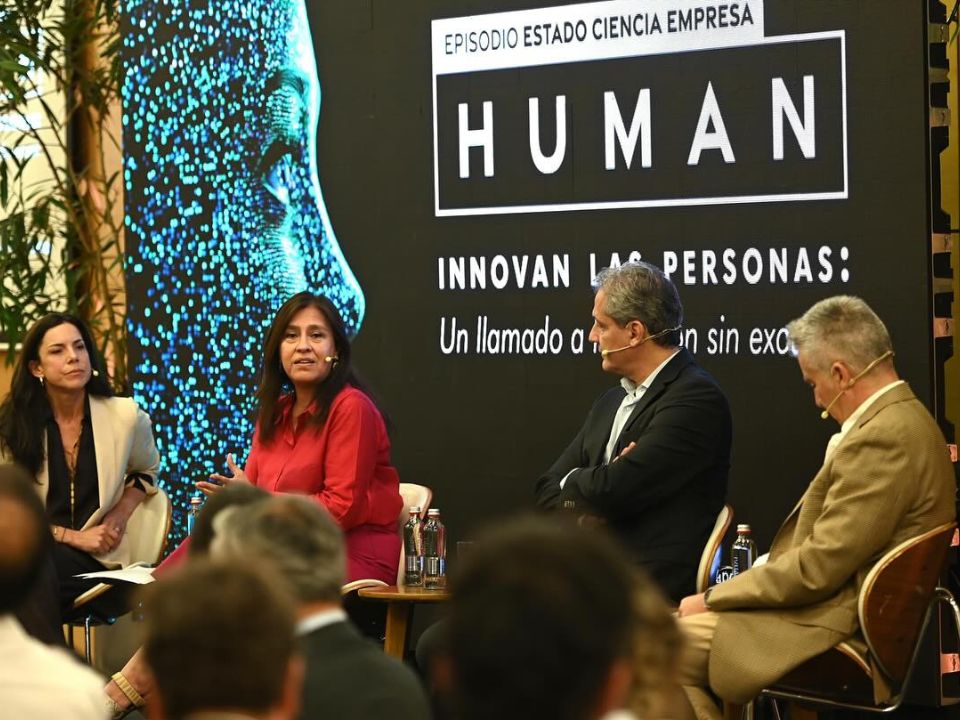
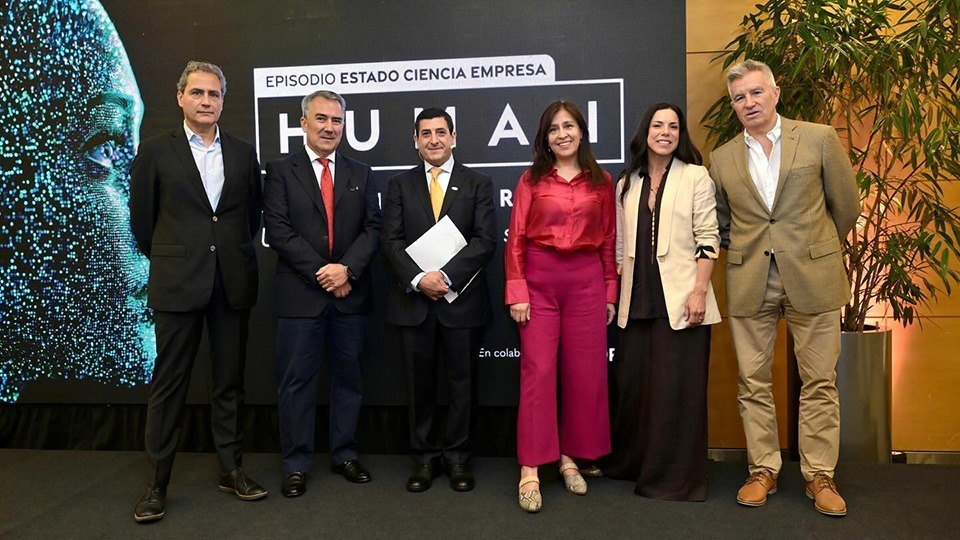
- The CMM principal investigator took part in the episode State, Science and Business, which concluded the Human series organized by ICARE’s Innovation Circle in collaboration with Corfo.
On Wednesday, October 29, the closing session of the series Human: People Innovate took place under the title State, Science and Business. The event was organized by the Innovation Circle of ICARE—the Chilean Institute for Rational Business Administration—in collaboration with Corfo.
The session explored the strategic relationship among these three key actors, recognizing that their cooperation is essential for addressing the challenges of development, innovation, productivity, and sustainability that Chile faces today.
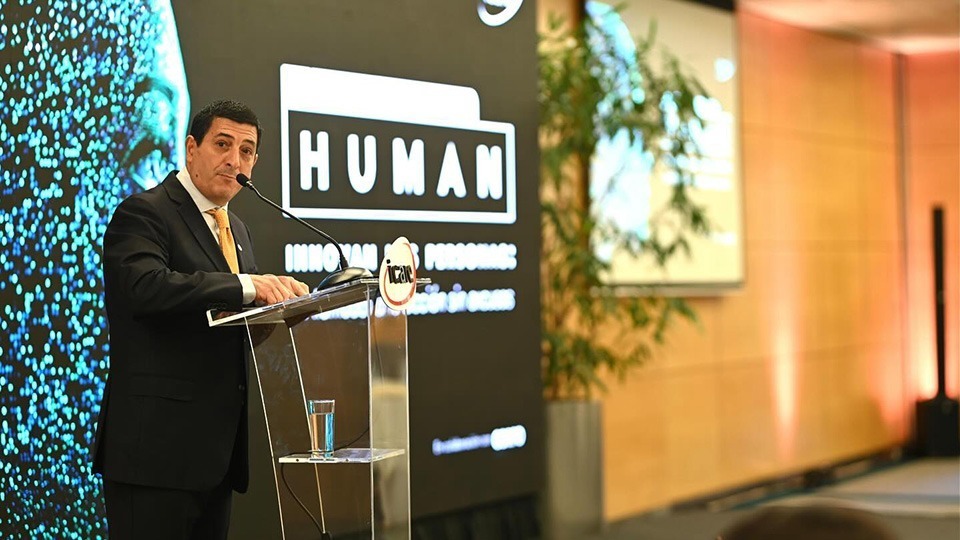
“No profound change happens in isolation,” stressed Daniel Daccarett, president of ICARE’s Innovation Circle, in his opening remarks. “The call today is to collaborate. When the state, science, and the private sector work together, innovation stops being a promise and becomes real progress.”
One of the guests invited to share his perspective was Prof. Alejandro Maass, Chile’s 2025 National Prize in Exact Sciences, principal investigator and director of International Relations at the Center for Mathematical Modeling (CMM) of the University of Chile, and researcher at the Millennium Institute for Genome Regulation. He joined a panel discussion together with Katherine Villarroel, executive director of the CTCI Council, and DIGEVO president Roberto Musso.
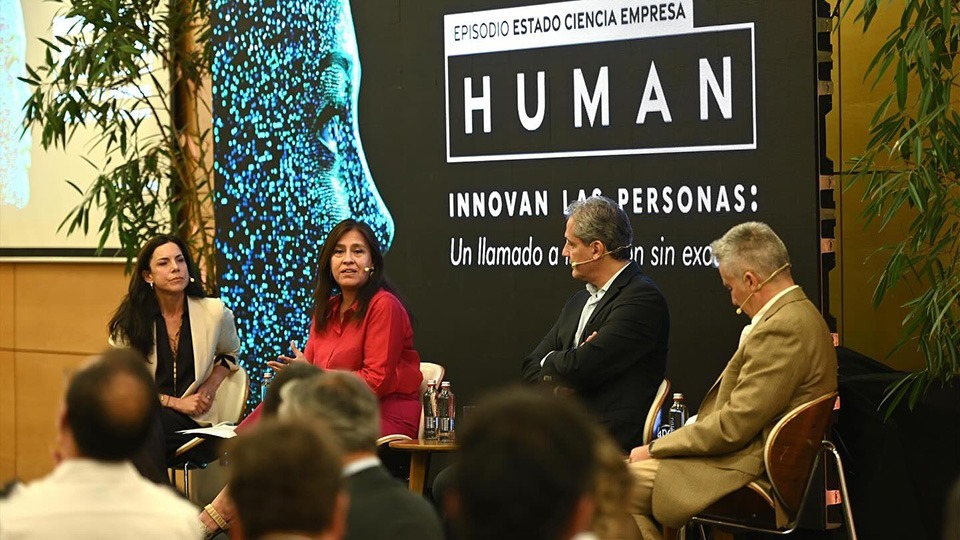
The professor of the Faculty of Physical and Mathematical Sciences at the University of Chile opened the panel’s reflections, noting: “I have always viewed scientific research in Chile as being deeply engaged in the country’s development and eager to be part of that process. That said, despite all the current efforts, we still have much work ahead to strengthen the virtuous cycle that allows research to evolve into applications and public policy”.
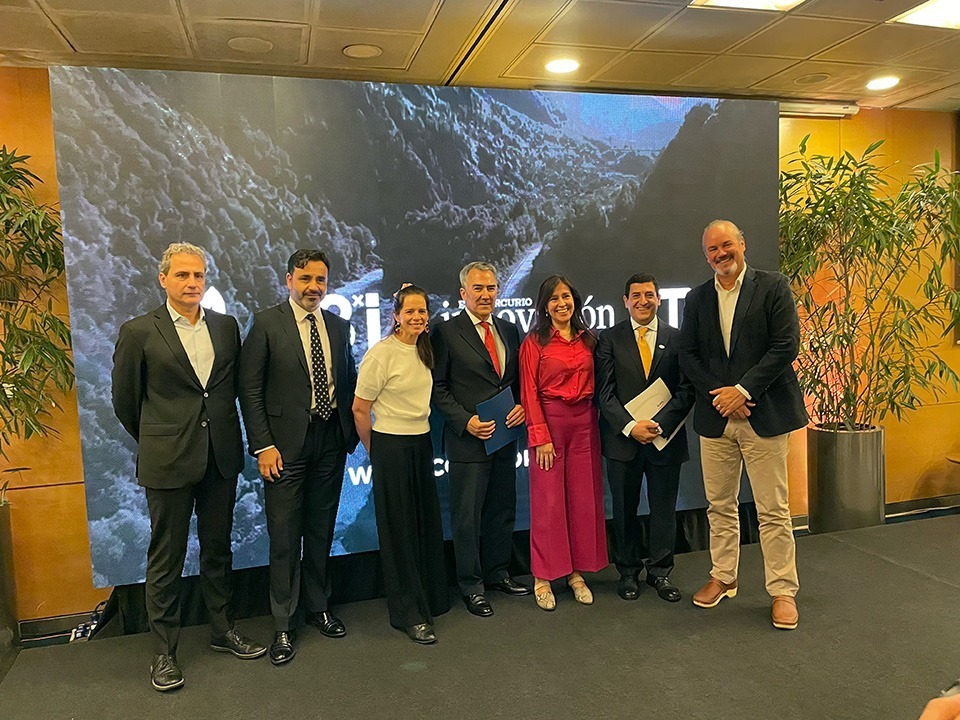
“In my experience, mathematics becomes truly meaningful when it is placed at the service of society and its challenges,” he explained. “A major task for science, the state, and the private sector is to work in sync, keeping the issue we want to solve at the center, breaking down hierarchies and old paradigms, and moving toward solutions by bringing together our complementary strengths—recognizing the value each one contributes.”
Prof. Maass referred to mathematical models used to understand underground mining fractures, forecast the movement of agricultural pests, and optimization systems and data-driven algorithms that help improve public policy in fields such as telecommunications and marine biodiversity protection. These examples, he noted, show how fundamental science can drive innovation with tangible benefits for society.
By Iván R. Tobar Bocaz, CMM Communications.
Photo credits: courtesy of ICARE; Cristián Murillo/CMM
