
Ten years ago, the Center for Mathematical Modeling (CMM) and the Center for Advanced Research in Education (CIAE) at the University of Chile launched ARPA—“Activating Problem Solving in the Classroom”—an initiative that has transformed mathematics education in Chile through sustained teacher professional development.
ARPA emerged from a Fondef-funded project led by Prof. Patricio Felmer, recipient of the 2011 National Prize for Exact Sciences, and has since consolidated itself as an innovative model that promotes professional learning for teachers and improves mathematics instruction through problem solving.
A teacher development model with national impact
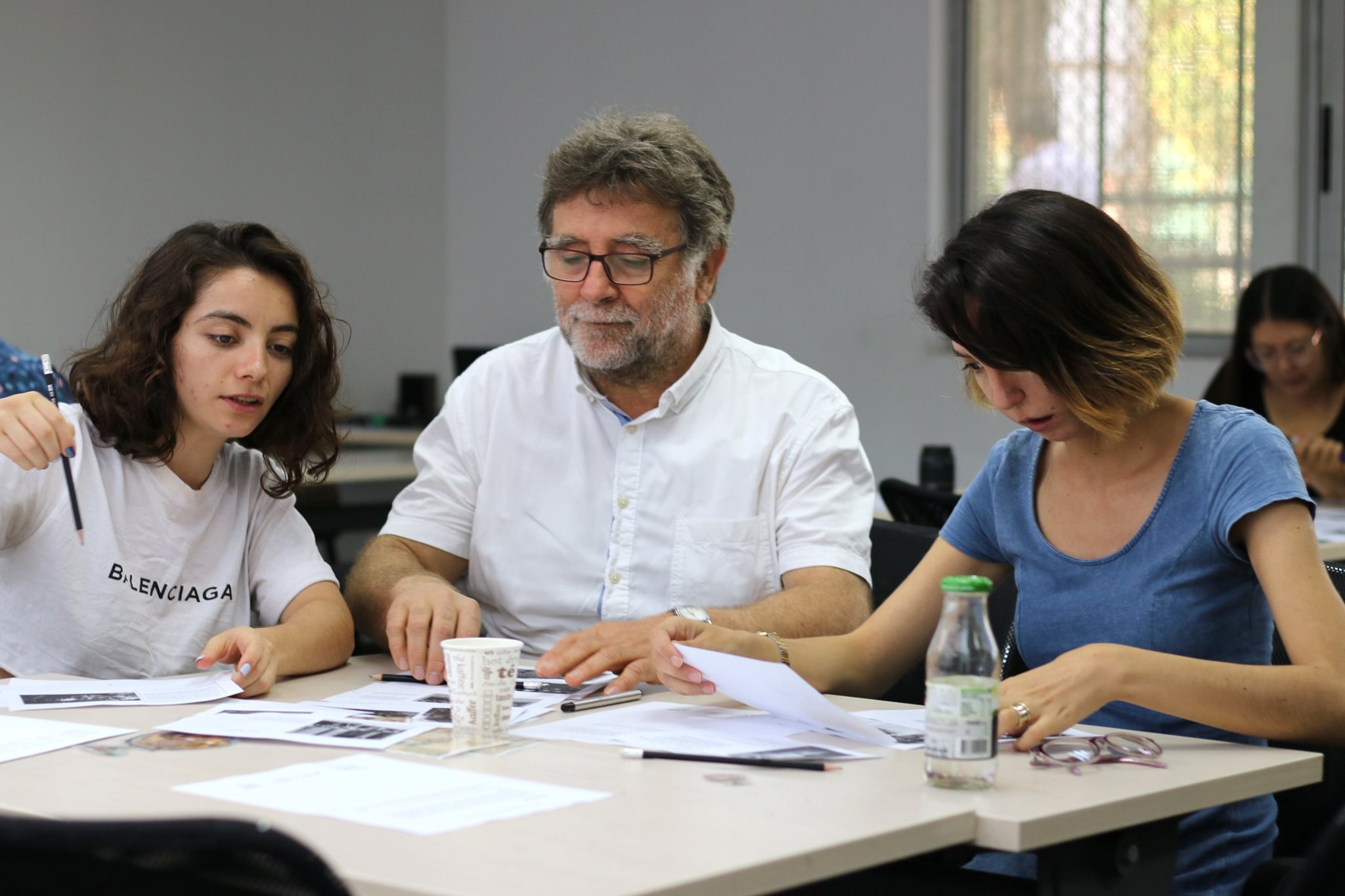
Over the past decade, more than 10,000 primary and secondary school teachers have taken part in ARPA’s training programs, strengthening both their pedagogical and mathematical competencies. More than 6,000 teachers have participated in workshops, 1,600 in 25-hour summer courses, and nearly 250 in long-term training programs lasting two years or more.
“The ARPA Initiative began with the idea of bringing collaborative problem solving into classrooms. Our aim was for students to engage with non-routine mathematical problems, allowing them to have meaningful mathematical experiences while working collaboratively with their peers. Over time, we saw that our teacher-training strategies and classroom practices could be expanded to other subject areas, such as language, science, and social studies. Today, we are working to integrate these ideas to promote 21st-century skills while maintaining strong curricular connections,” explained Prof. Patricio Felmer, ARPA’s director.
A growing and transformative network
Throughout its trajectory, ARPA has collaborated with more than 280 schools across Chile, creating a robust network of learning and collaboration among teachers, academics, and institutions committed to active, reflective, and future-oriented teaching.
The ARPA team is composed of educators, psychologists, mathematicians, designers, and other professionals who have contributed to the program’s expansion and its consolidation as a national reference in mathematics teacher education.
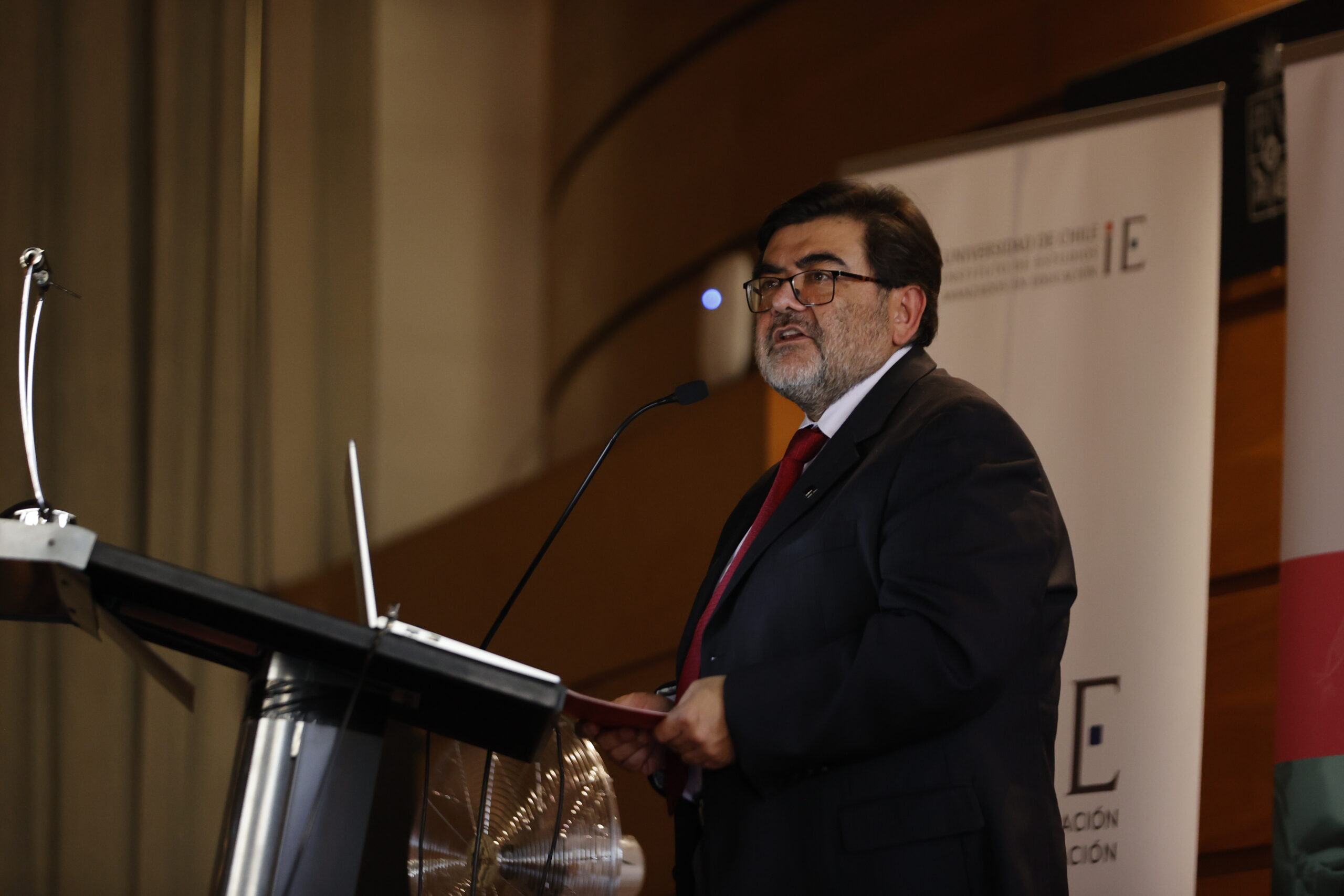
The Rector of the University of Chile, Prof. Rosa Devés, remarked: “ARPA’s ten years have produced immense educational learning. Today, scientists go to schools to understand how demanding the pedagogical task is and to appreciate the mastery teachers possess. ARPA stands as an international example of this learning and has earned the admiration of the entire educational community in the country.”

Since its inception, ARPA has been supported by key institutions including the Valparaíso Municipal Corporation for Social Development, the Catholic University of Temuco, the Sociedad de Instrucción Primaria, Claudio Matte School, the Colegio Concepción Masonic Educational Corporation, the Ministry of Education (CPEIP), the Museo Interactivo Mirador (MIM), and Fundación Fundar.
Juan Pablo Valenzuela, Director of the CIAE, emphasized: “I want to acknowledge the commitment of the entire ARPA community, which not only drives professional development but also integrates high-level research as part of a continuous improvement process. I wish you continued success and encourage you, over the next ten years, to remain focused on positively impacting the quality of learning for every child and young person.”
Prof. Héctor Ramírez, Director of the CMM, added: “At the CMM, we are deeply proud to host an applied research initiative that has contributed in concrete ways to strengthening mathematical and scientific thinking in Chilean schools. ARPA’s work has built bridges between research, classroom practice, and the needs of the educational system, promoting more meaningful and equitable learning. Congratulations on this decade of commitment, innovation, and contribution to Chile’s educational development.”
Through this sustained collaboration, ARPA has helped build long-lasting capacities within the school system, improving pedagogical practices across regions and supporting the work of Public Education Local Services (SLEP).
Commemorative ceremony: A decade of impact
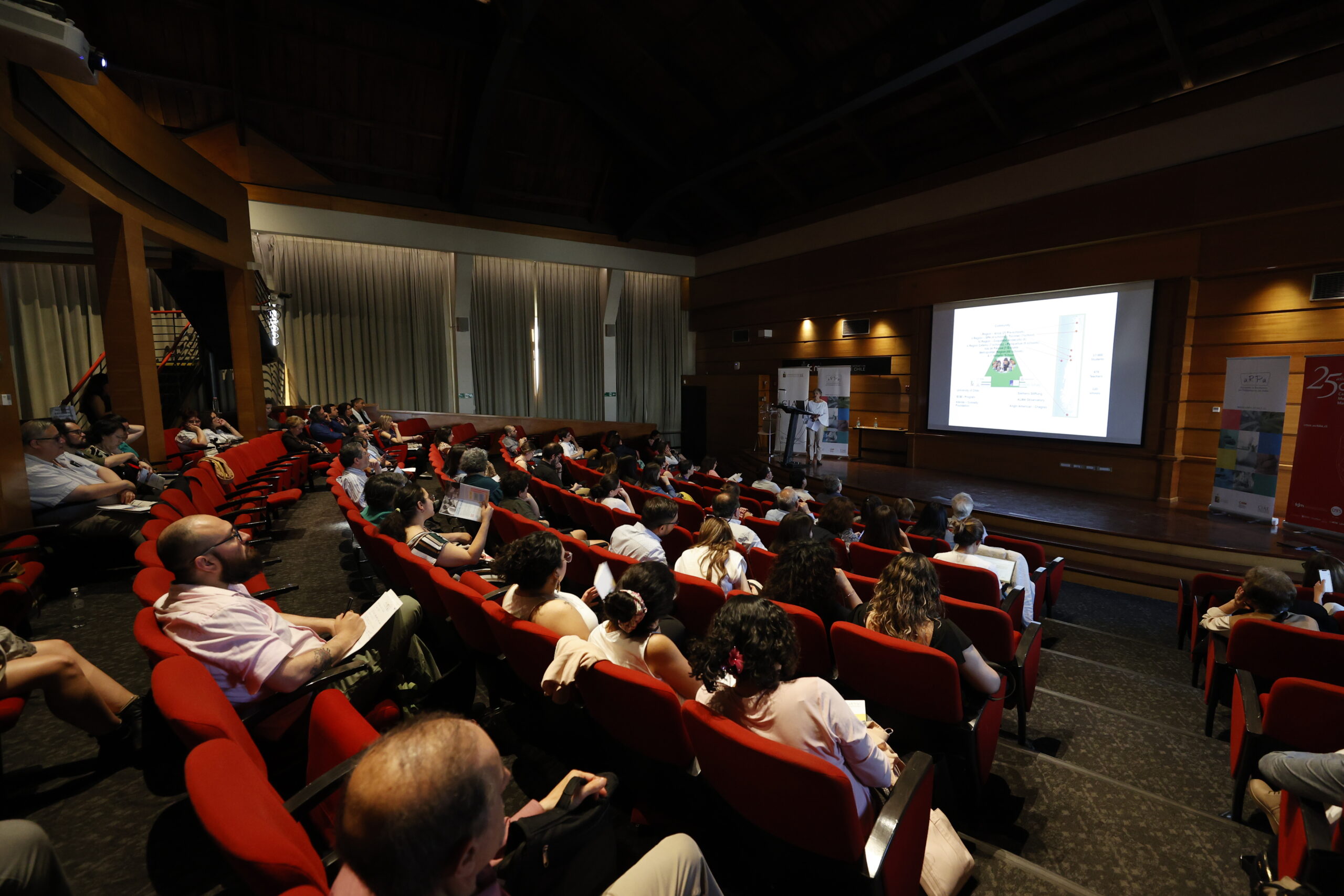
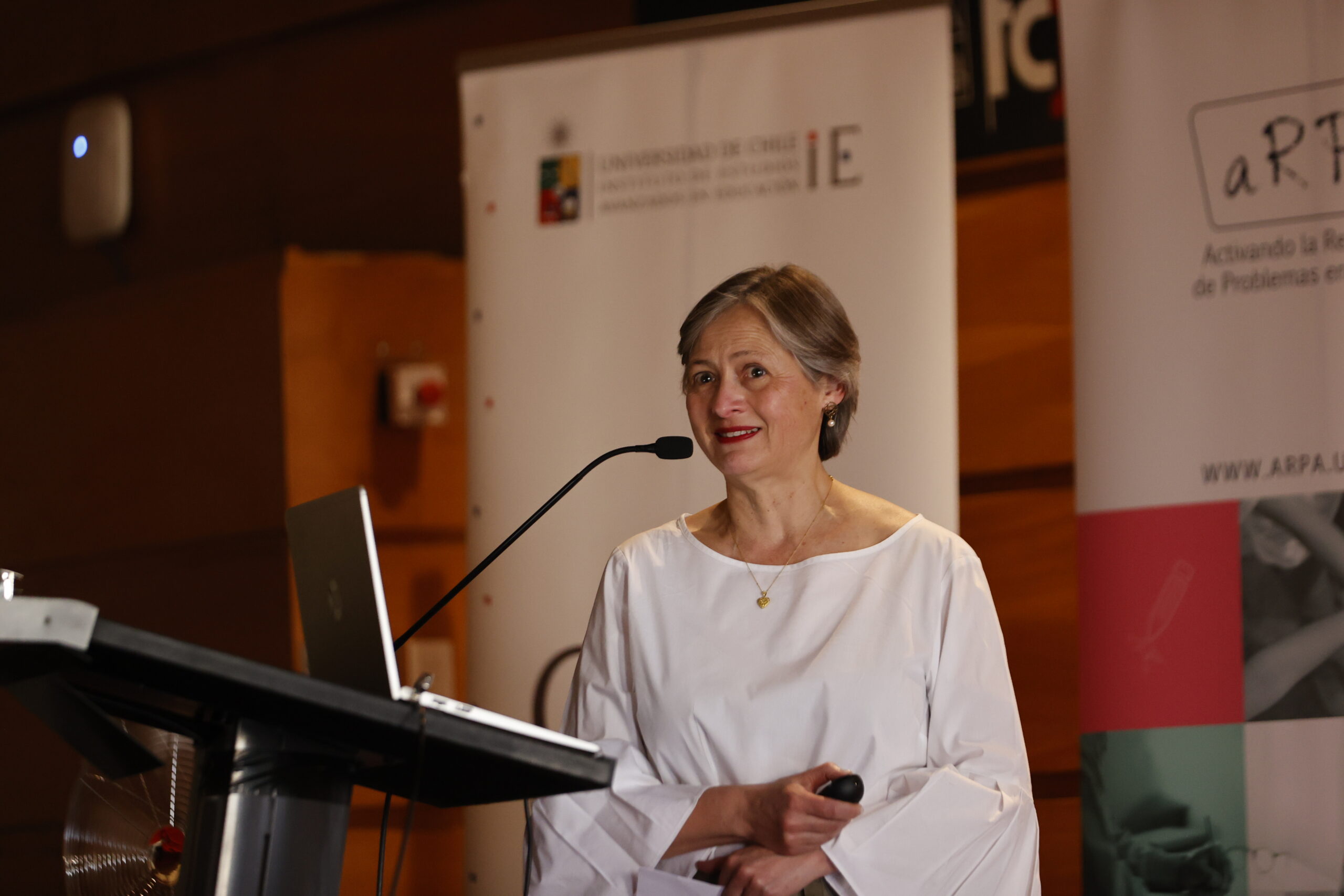
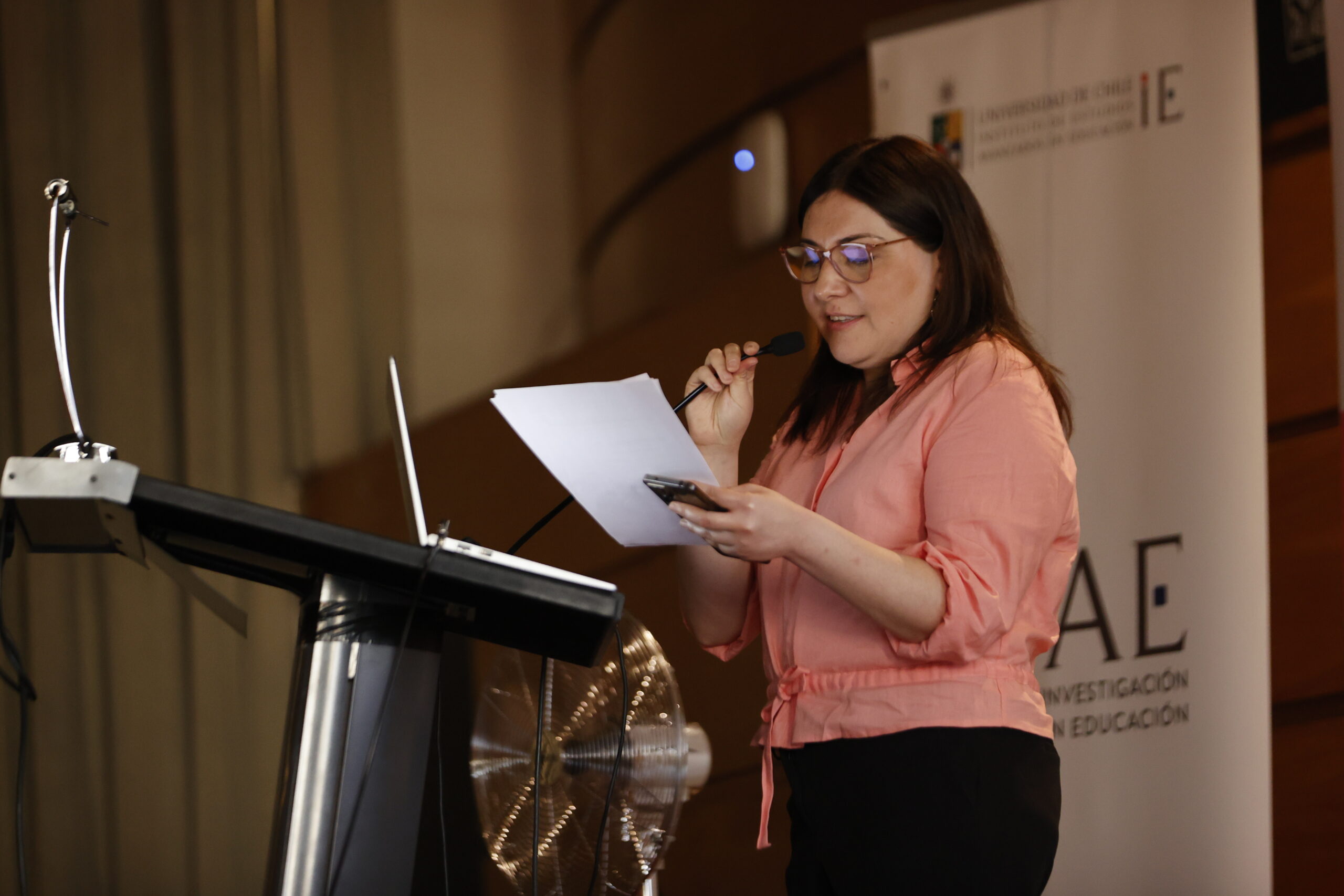
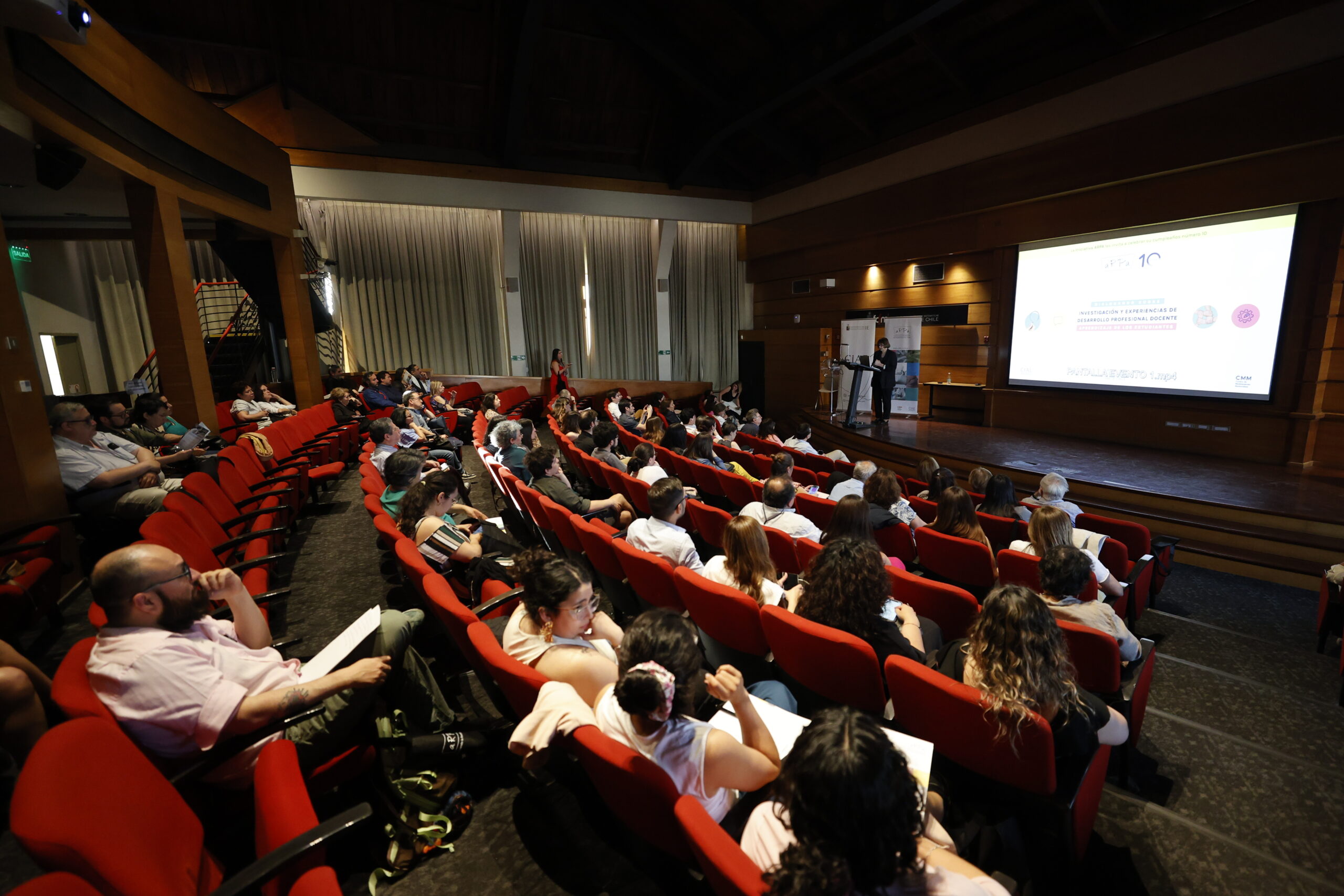
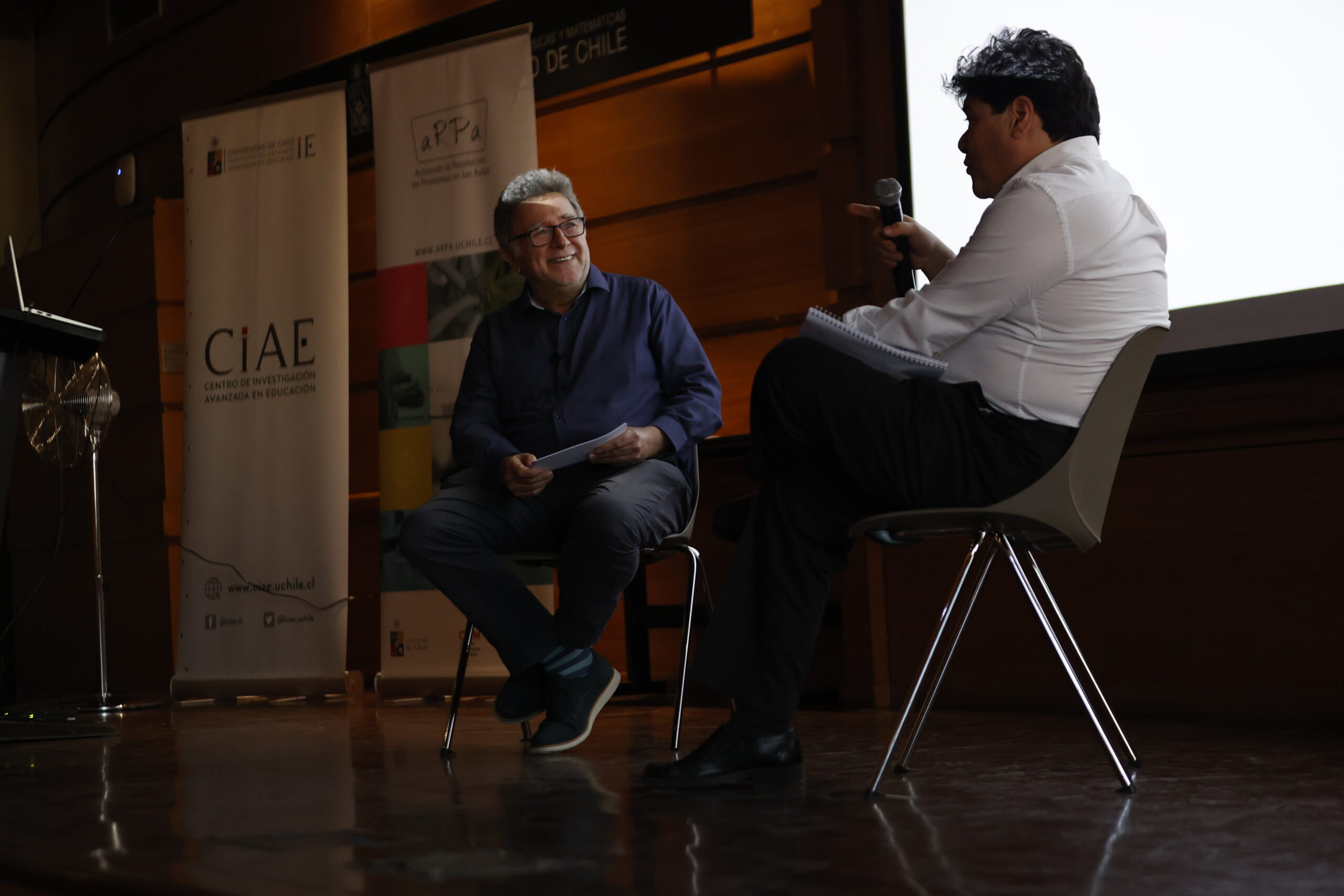
To mark its tenth anniversary, ARPA held the event “Dialogue on Research and Experiences in Teacher Professional Development: Student Learning,” on November 12 and 13 at the Faculty of Physical and Mathematical Sciences of the University of Chile.
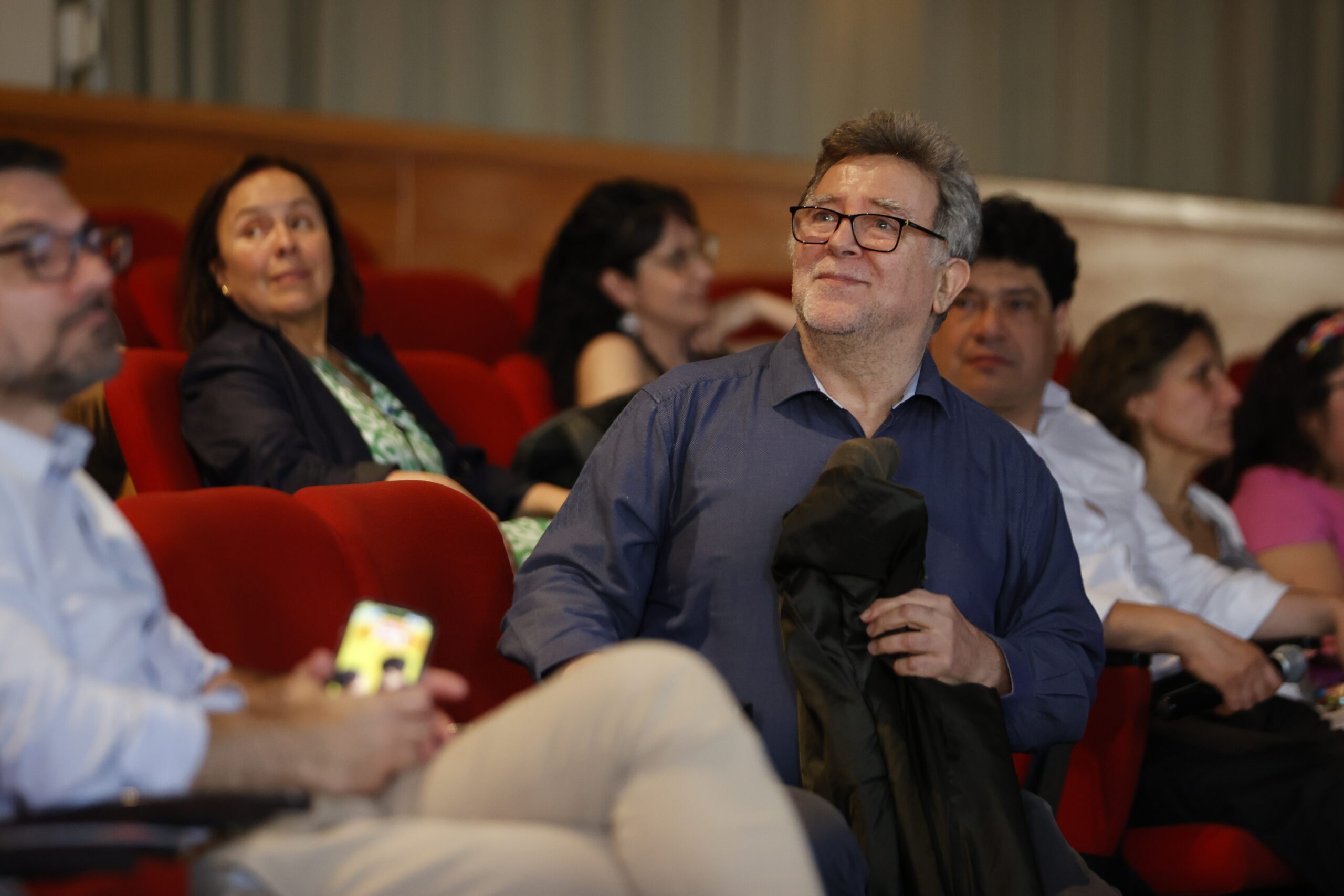
Over two days, the event gathered national and international researchers, representatives of teacher professional development programs, Public Education Local Service directors, and teachers from across the country, who shared progress, challenges, and impacts of initiatives aimed at strengthening mathematics teaching and learning.
The first day, held on Tuesday, November 12, focused on research related to teacher professional development and included presentations by academics from the University of Twente, Mälardalen University, and the University of Chile, who discussed various perspectives on teacher education and pedagogical innovation.
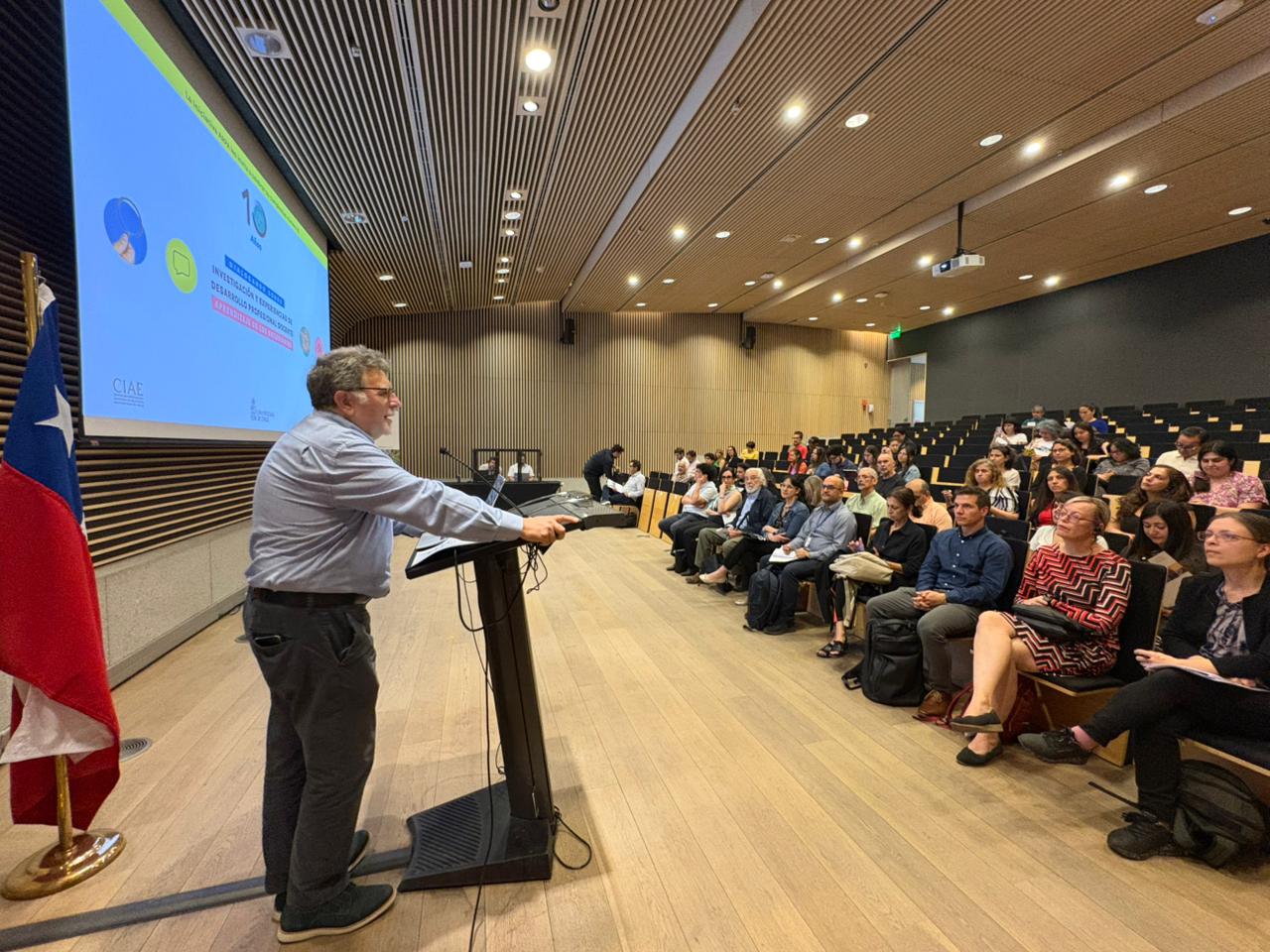
On Wednesday, November 13, the program turned to the exchange of experiences among universities, foundations, and Public Education Local Services, generating a collaborative space for reflection on good practices, accumulated learning, and future projections.
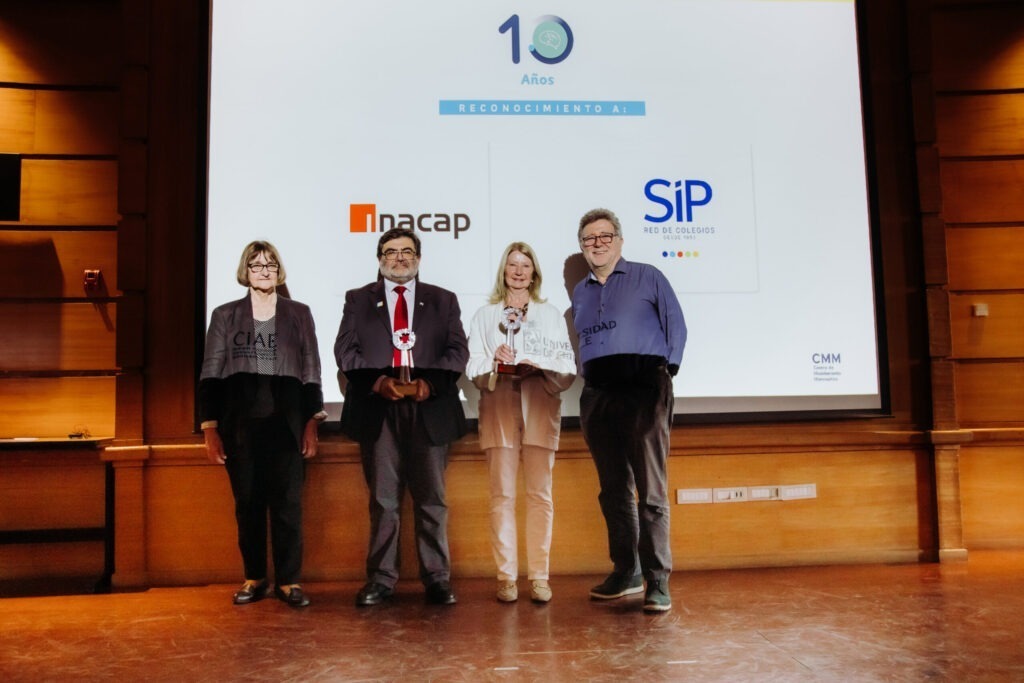
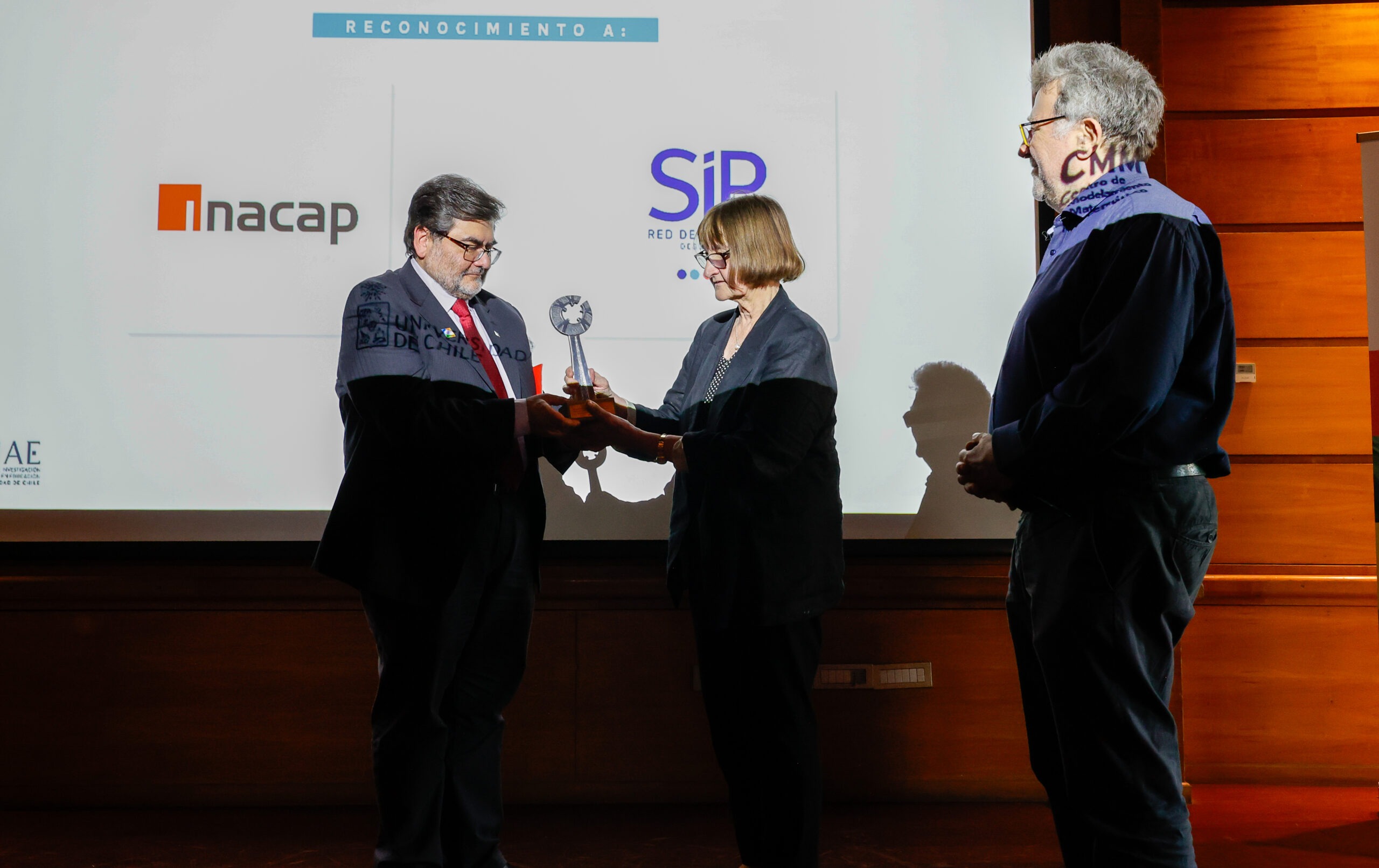
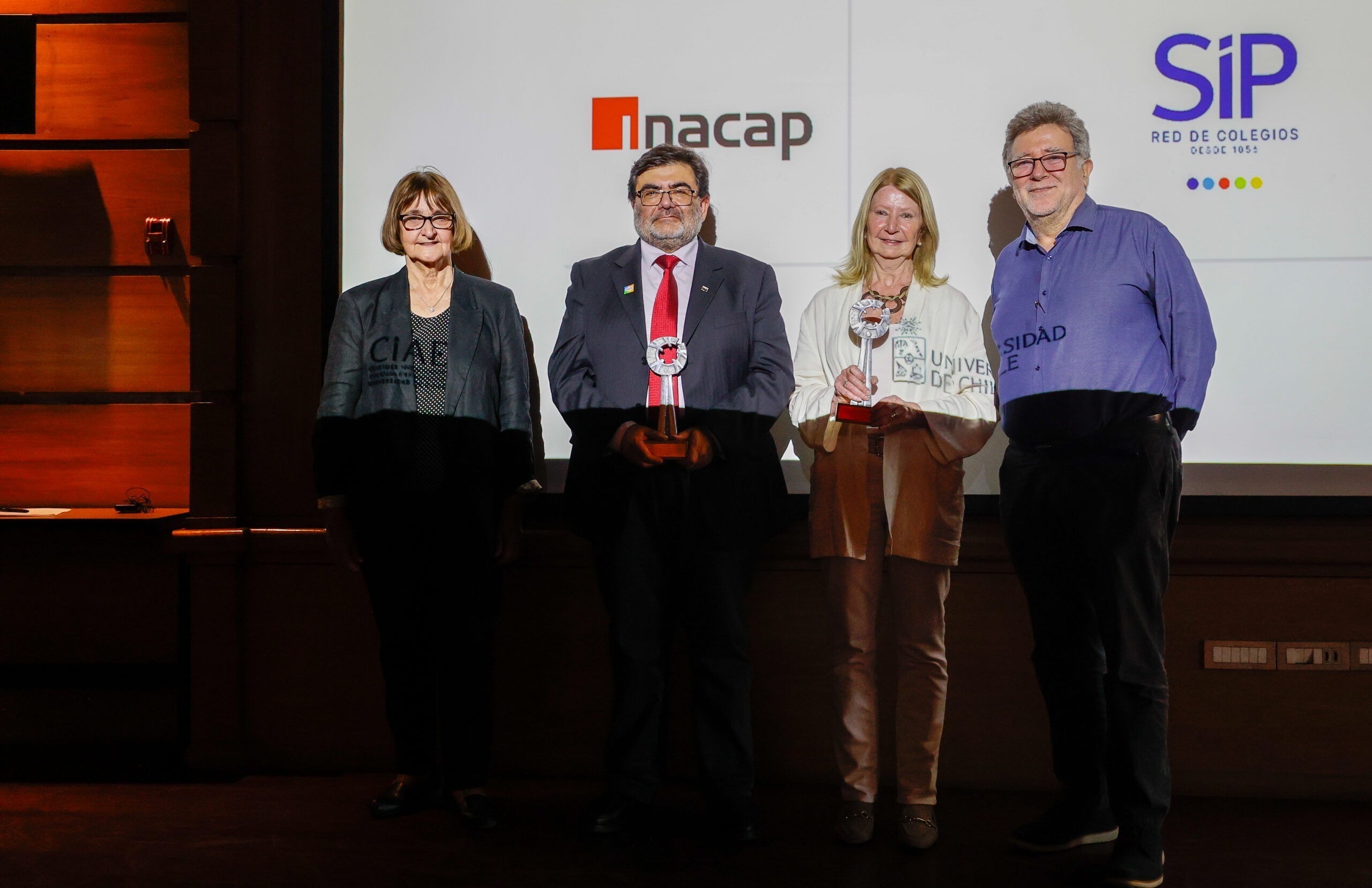
During the ceremony, special recognitions were awarded to INACAP and SIP – Red de Colegios for their contributions to the development and expansion of the program. INACAP was recognized for its strategic collaboration, which has enabled more than 40,000 first-year pedagogy students to receive annual training in problem solving based on the ARPA methodology.
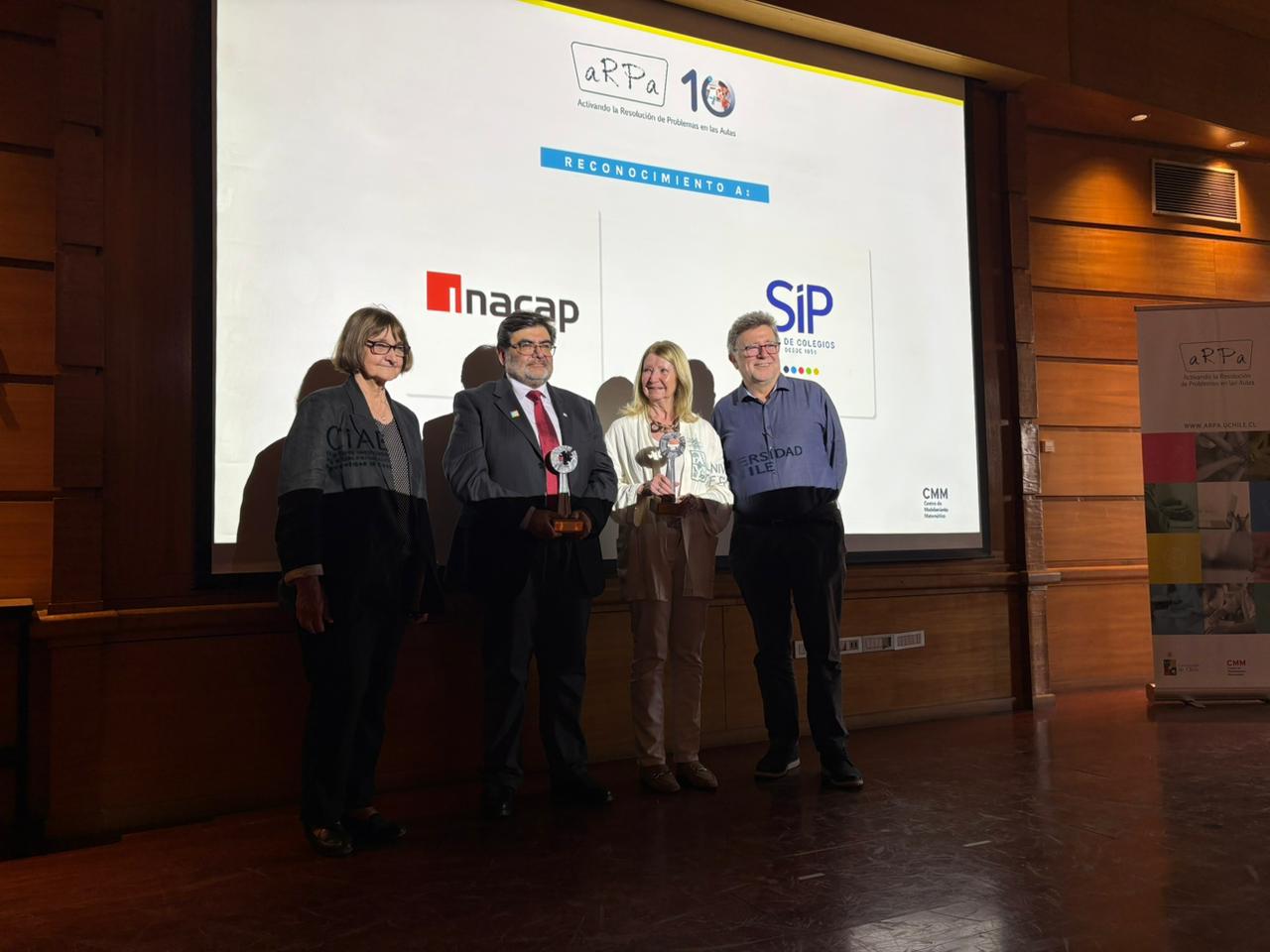
“The partnership with ARPA has been instrumental in strengthening mathematics education within the Technical and Vocational Education and Training system. This joint effort has transformed the learning experience and enabled us to build a network of more than 200 instructors specializing in active-learning methodologies for mathematics at INACAP, now present across all our campuses.
The greatest value of this collaboration has been driving a cultural shift toward truly student-centered teaching, fostering collaborative environments where instructors and students work together through the cooperative resolution of mathematical problems.
At INACAP, we are convinced that when there is a shared purpose, it is possible to renew teaching practices, spark genuine motivation, and open new opportunities for the development of every student,” stated José Cancino, Vice President of Institutional Development and Digital Intelligence at INACAP.
SIP – Red de Colegios was also acknowledged for its sustained support and collaborative work throughout the decade, which has been crucial in expanding a mathematics teaching model focused on critical thinking and collaboration.
Marcia Muñoz, General Pedagogical Coordinator of SIP Red de Colegios, noted: “The ARPA methodology encourages students to collaboratively tackle challenging mathematical problems, prompting them to actively explore different solution approaches and present them in plenary sessions. This approach develops key skills such as reasoning, autonomy, and critical thinking. ARPA also enhances teacher development, offering training and classroom support during the first year of implementation, strengthening pedagogical practice.”
Written by Cintia Beltrán, CMM Communications



Escrita por Cintia Beltrán, Comunicaciones CMM
