
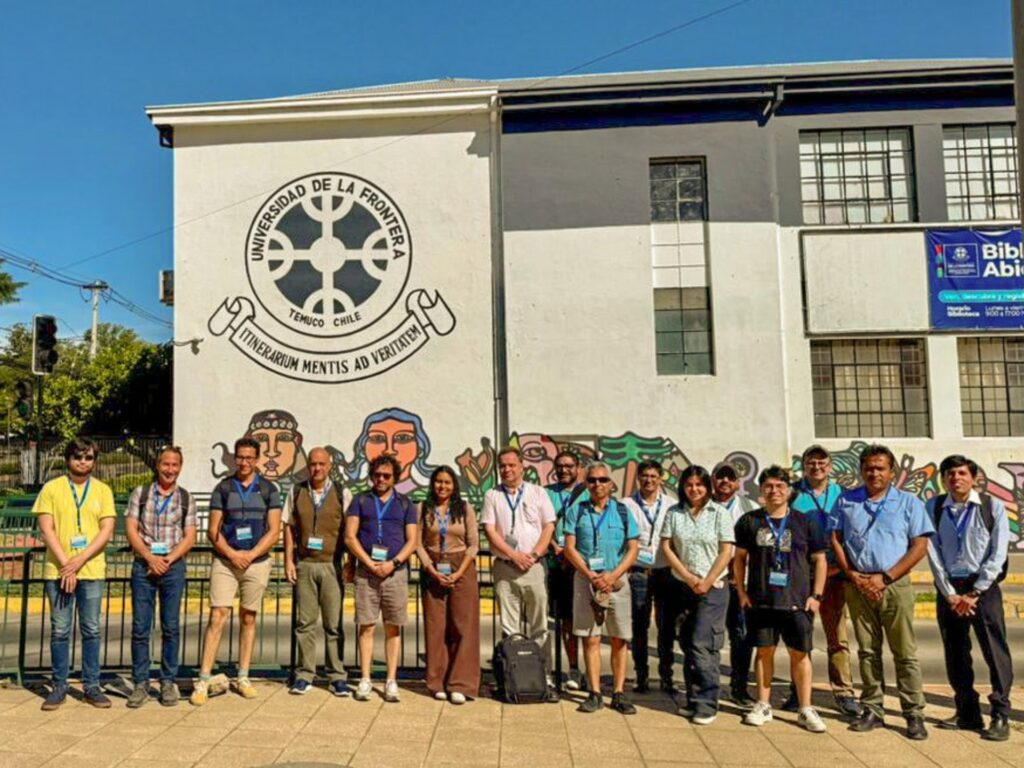
- The scientific meeting was attended by specialists from Brazil, Chile, France, Mexico, and Panama.
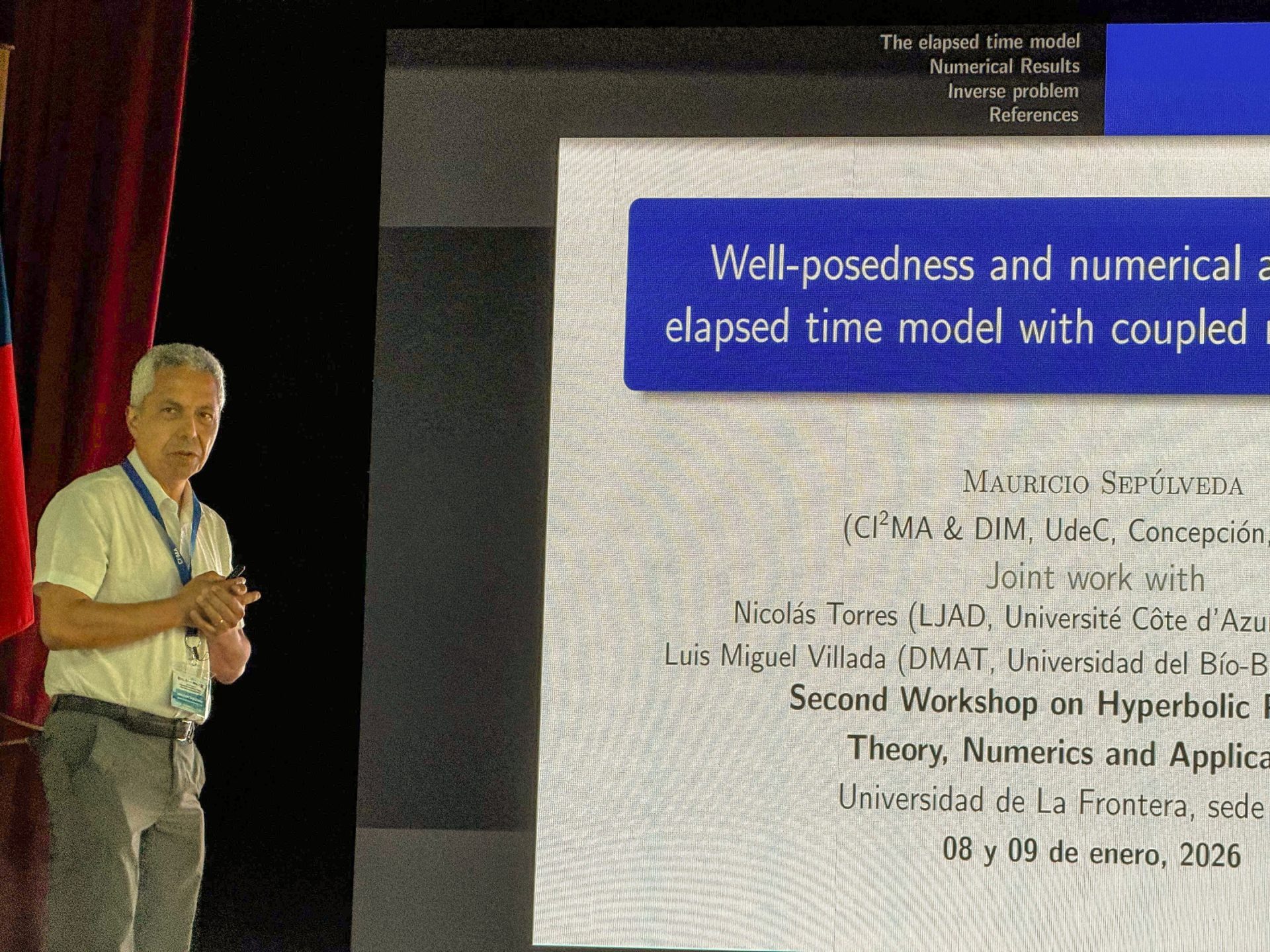
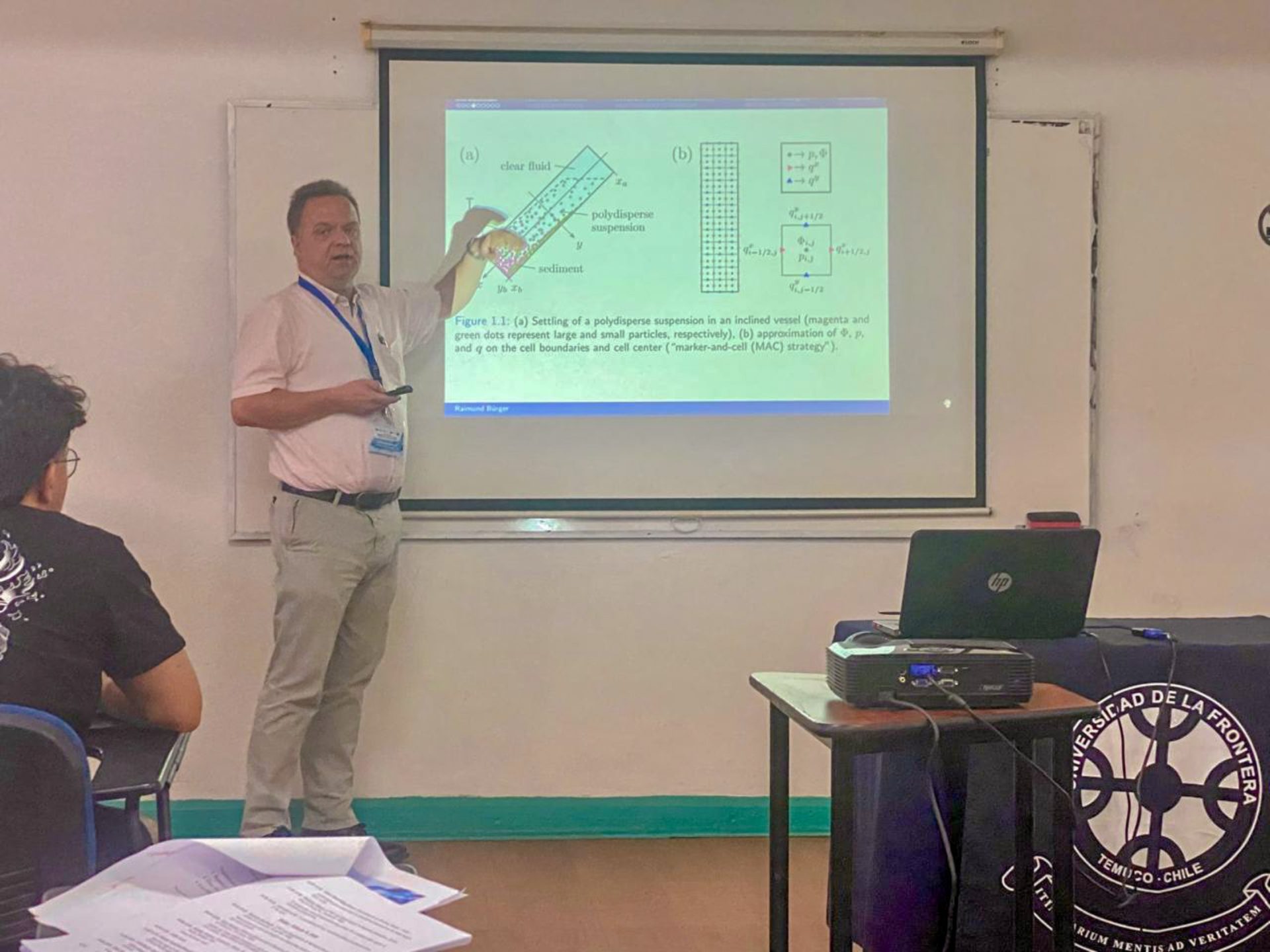
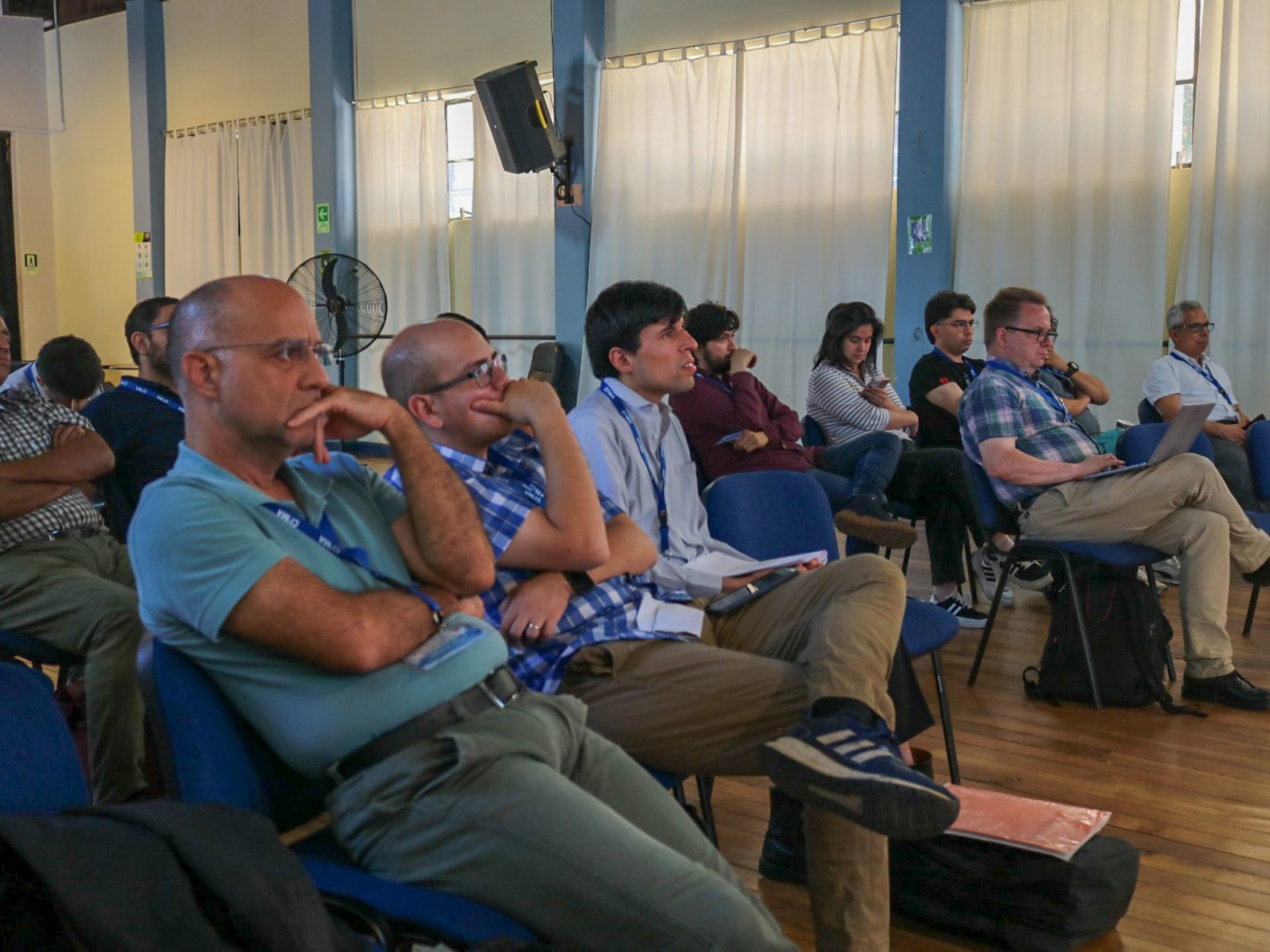
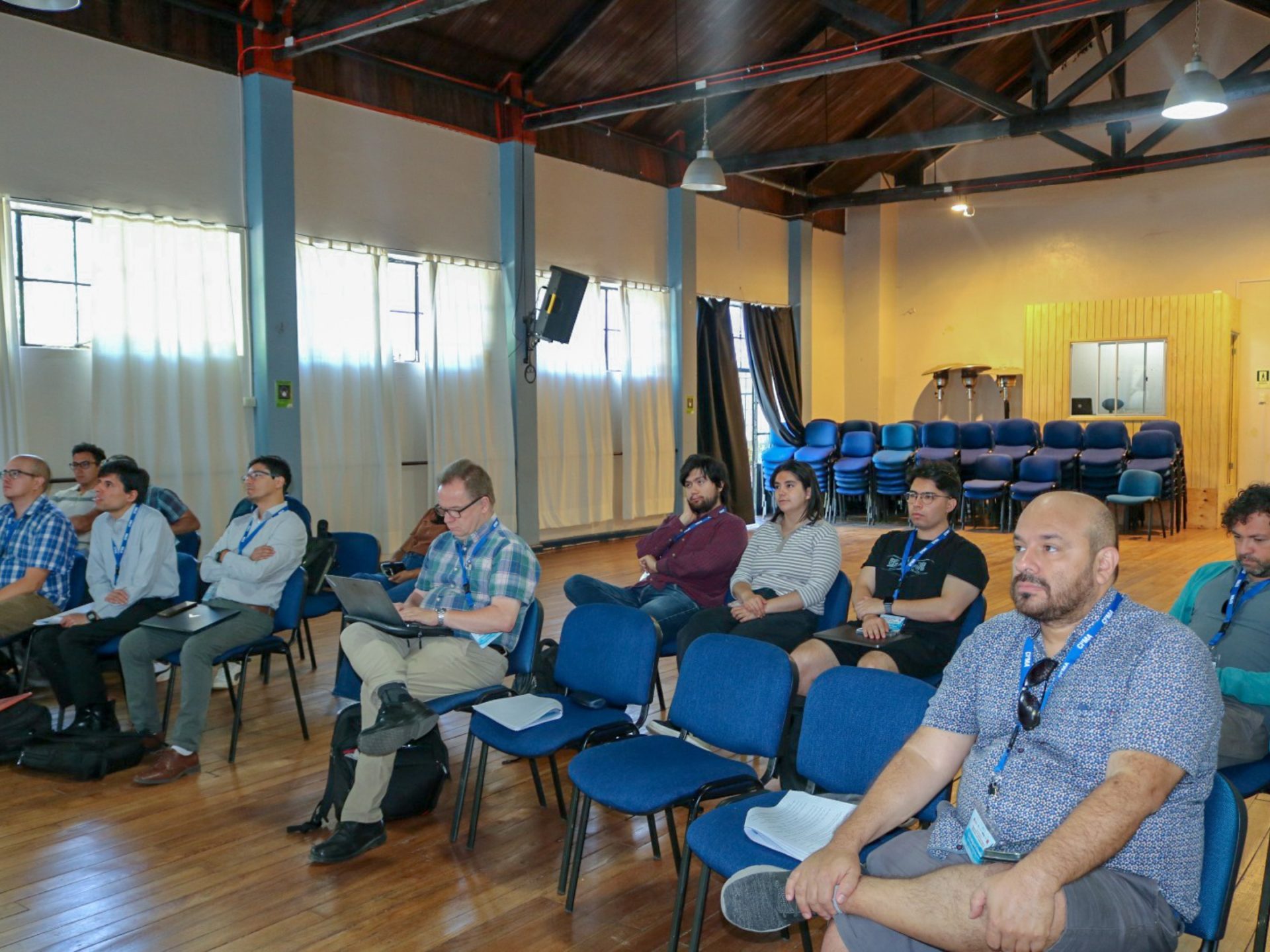
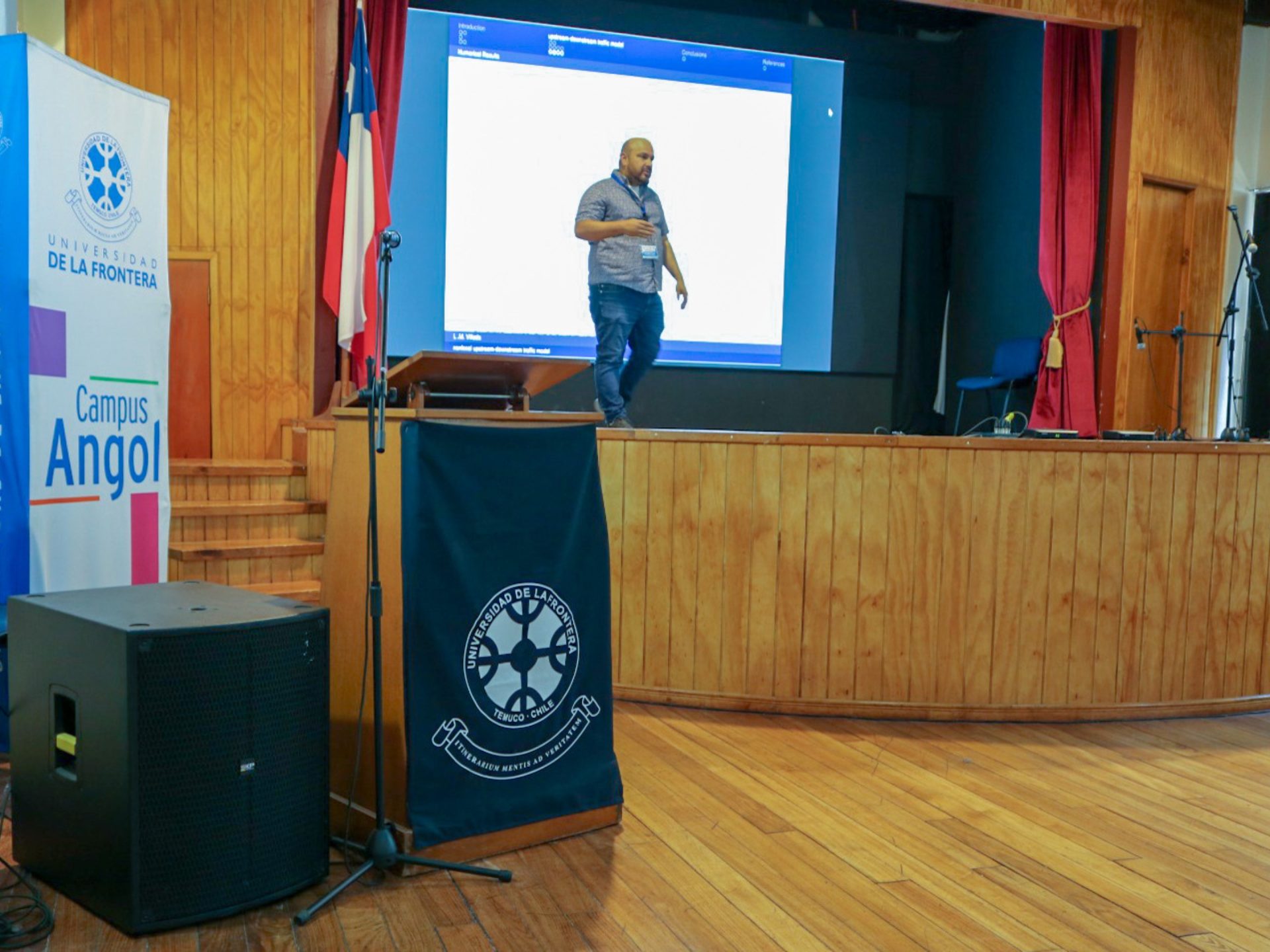
The Angol campus of the University of La Frontera hosted the event ‘Second Workshop on Hyperbolic Problems: Theory, Numerics and Applications’, co-organized by Dr. Gino Montecinos and researchers from the Center for Mathematical Modeling (CMM) at the University of Chile, Raimund Bürger and Luis Miguel Villada, who are also academics at the University of Concepción (UdeC) and the University of Bío-Bío (UBB), respectively.
In addition to Chilean universities, participants in the event came from institutions in Brazil, France, Mexico, and Panama:
- Eduardo Cardoso de Abreu, State University of Campinas, Brazil
- Raimund Bürger, University of Concepción, Chile
- Fernando Campos, University of Concepción, Chile
- Cristóbal E. Castro, University of Tarapacá, Chile
- Joaquín González Monsalves, Universidad de La Frontera, Chile
- Gerardo Hernández-Dueñas, Universidad Nacional Autónoma de México, Mexico
- Jaime Hernández Bascur, Universidad de La Frontera, Chile
- Rodrigo Lecaros Lira, Universidad Técnica Federico Santa María, Chile
- Gino Montecinos, Universidad de La Frontera, Chile
- Víctor Osores, Universidad Católica del Maule, Chile
- Óscar Rubilar Parra, University of Concepción, Chile
- Mauricio Sepúlveda, University of Concepción, Chile
- Sebastián Tapia-Mandiola, Centre Inria de l’Université de Lille, France
- Carlos Torres-Ulloa, Catholic University of Temuco, Chile
- Yolanda Vásquez, Technological University of Panama, Panama
- Luis Miguel Villada, University of Bío-Bío, Chile
In this regard, Prof. Raimund Bürger, deputy director of the Center for Research in Mathematical Engineering, CI²MA, at the UdeC, highlighted that “this event confirms that in Chile, with our students, former students, and collaborators, a visible community has formed that is interested in exchanging ideas and collaborating on hyperbolic problems, which, in the broadest sense, form the mathematical framework for problems in fluid mechanics and transport phenomena, where the finite propagation speeds of information play a role”.
“I am especially grateful to my colleague Gino Montecinos, who arranged for the UFRO Angol campus to host the event, where we were warmly welcomed”, he said.
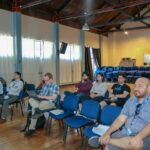
Meanwhile, Sebastián Tapia-Mandiola, a civil engineer and mathematician from the University of Chile and doctoral student in France, commented that “I presented on the interaction between jamitones which, unlike solitons, which can bounce or cross paths, merge with several specific parameters that are different from the first two”.
The content he presented at the workshop is an extension of the results of his master’s thesis at the University of Chile and can be applied, he explains, “to the management of vehicular traffic within cities. There is still much research to be done, but it is an idea that is already present”.
To obtain these results, he emphasized, Prof. Bürger’s contribution “was fundamental. He is an expert in numerical simulations of hyperbolic problems, so he helped us improve the numerical scheme and achieve greater precision”.
Dr. Luis Miguel Villada, meanwhile, stated that “I presented the results related to numerical analysis for vehicular traffic models with non-local flow, which were obtained as a result of collaboration with Harold Contreras (USS-Chile) and Paola Goatin (INRIA-France),” adding that “I would like to highlight the large participation of both national and international researchers, as well as graduate students, in addition to the diversity of topics addressed”.
International experts
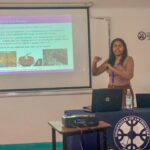
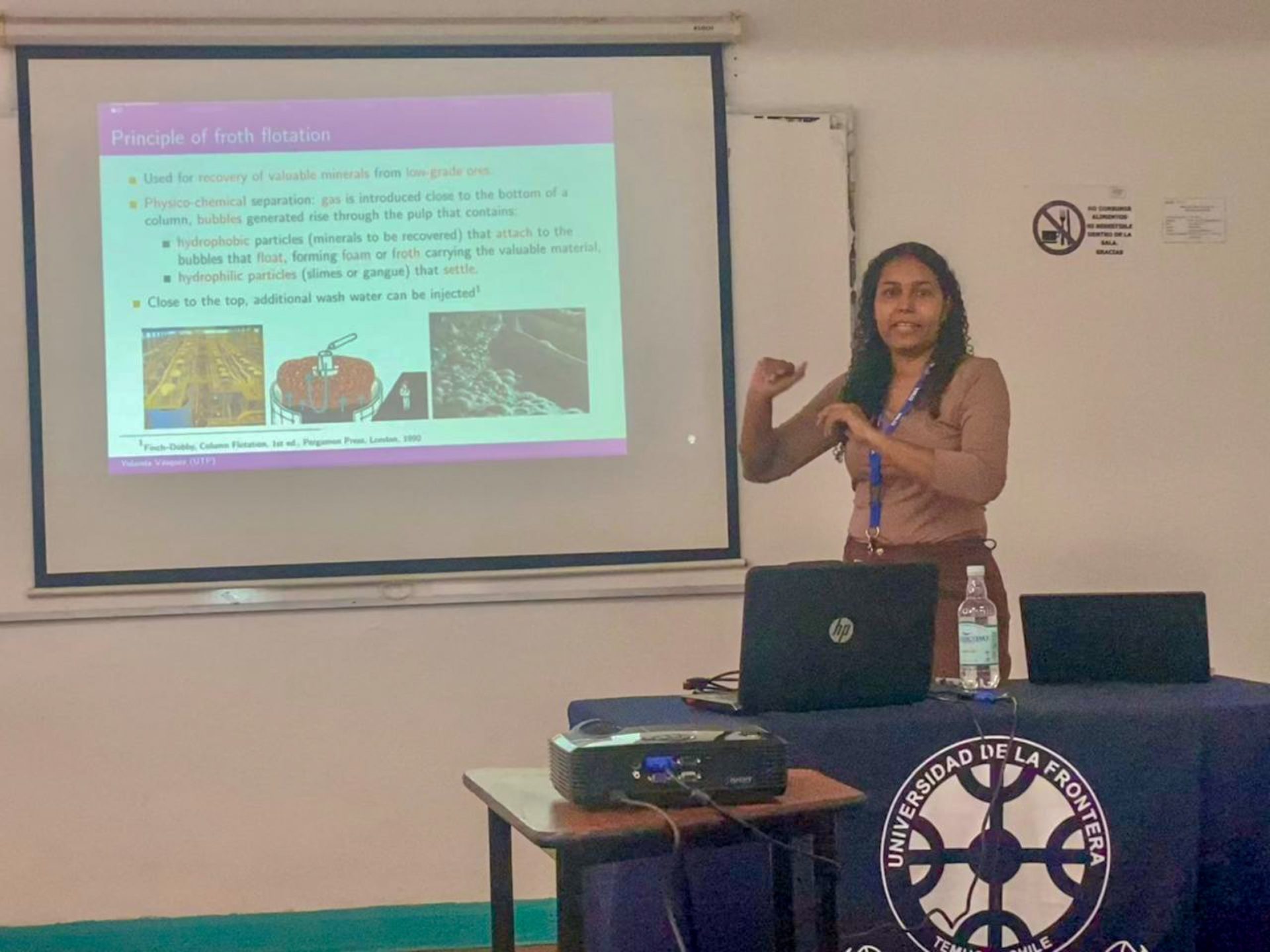
Dr. Yolanda Vásquez Bernal, who received her doctorate from the UdeC in 2022 under the co-direction of Prof. Bürger, described the event as “a high-level space that brought together researchers from different countries around the theory and numerical methods for hyperbolic partial differential equations”.
Regarding her talk, the expert explained that “I presented a mathematical model and a finite volume numerical scheme to describe flotation processes, incorporating the coupled transport of bubbles, solids, and different components of the liquid phase, with an emphasis on stability, conservation, and domain invariance”.
“This work”, she elaborated, “is part of mathematical modeling applied to industrial processes, with potential impact on process engineering. It is part of my line of research funded by the National Research System of Panama”.
“I would like to thank the organizers and the scientific community for the valuable academic exchange and enriching discussions”, he added.
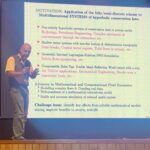
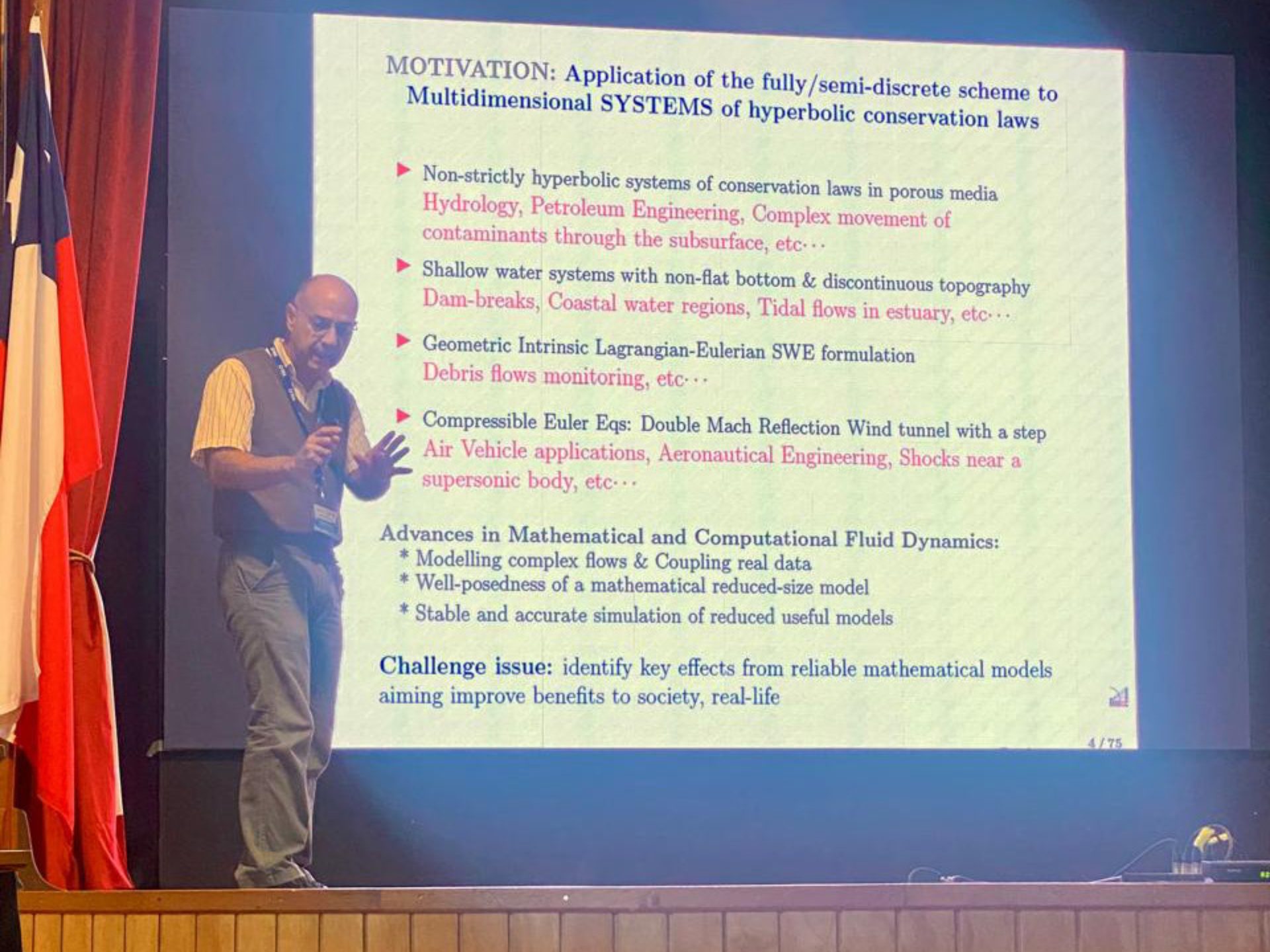
For his part, Dr. Eduardo de Abreu from Unicamp in Brazil reported on new applications of hyperbolic partial differential equations. In this regard, he commented that “I presented numerical calculations for non-trivial hyperbolic problems (local and non-local), such as compressible Euler flows with positive density, the Orszag-Tang problem, which is well known for satisfying the remarkable partial differential equation with involution constraint div B = 0, a non-strictly hyperbolic three-phase flow system in porous media with a resonance point, and the classic 3 by 3 shallow water system, with and without discontinuous bottom topography”.
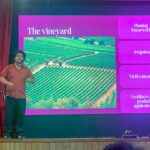
Finally, Dr. Gerardo Hernández-Dueñas from UNAM in Mexico commented that “I presented a new mathematical model to describe two-phase flows—liquid and gas—inside pipes, a common phenomenon in industrial applications. The model considers a lower layer of incompressible liquid and an upper layer of compressible gas, which interact by exchanging momentum and energy”.
“Unlike previous work,” the expert elaborated, “our proposal allows us to study pipes with general cross-sections, which makes it more realistic and versatile for practical applications”.
Regarding the workshop in general, the American expert stated that “I found it extremely enriching. It was very well focused on the announced topic, which is a common research interest among those of us who participated”.
“I was able to learn about new problems that are currently being worked on,” he elaborated, “interact with researchers and students, and initiate new collaborations, which made this experience very fruitful”.
This event was funded by the Center for Mathematical Modeling through its ANID Basal Project FB210005 and Prof. Bürger’s Fondecyt Regular Project 1250676.
By Iván R. Tobar Bocaz, CMM Communications.
